
Category: Care
-

The Art of Taking “No” in Forró
Rejection on the dancefloor can evoke personal discomfort and self-doubt, often leading us to create negative narratives about ourselves. However, it’s essential to recognize that others’ refusals often stem from their circumstances rather than our worth. Building self-acceptance and seeking feedback can help us cope with rejection and foster resilience.
-
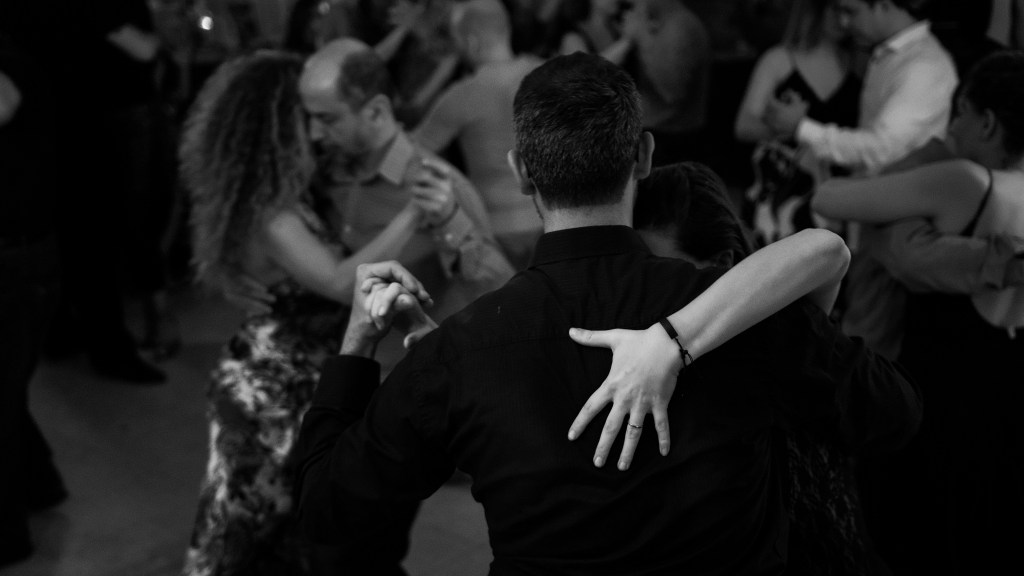
Beyond the Steps: The Male Role Creating a Safe Community
The discussion surrounding safety in forró communities has been largely led by women, with men encouraged to take action against harassment. Women comprise 60% of dancers, yet many men in leadership roles need to actively support victims and create a respectful environment. True allyship requires men to listen, intervene, and uphold personal boundaries.
-
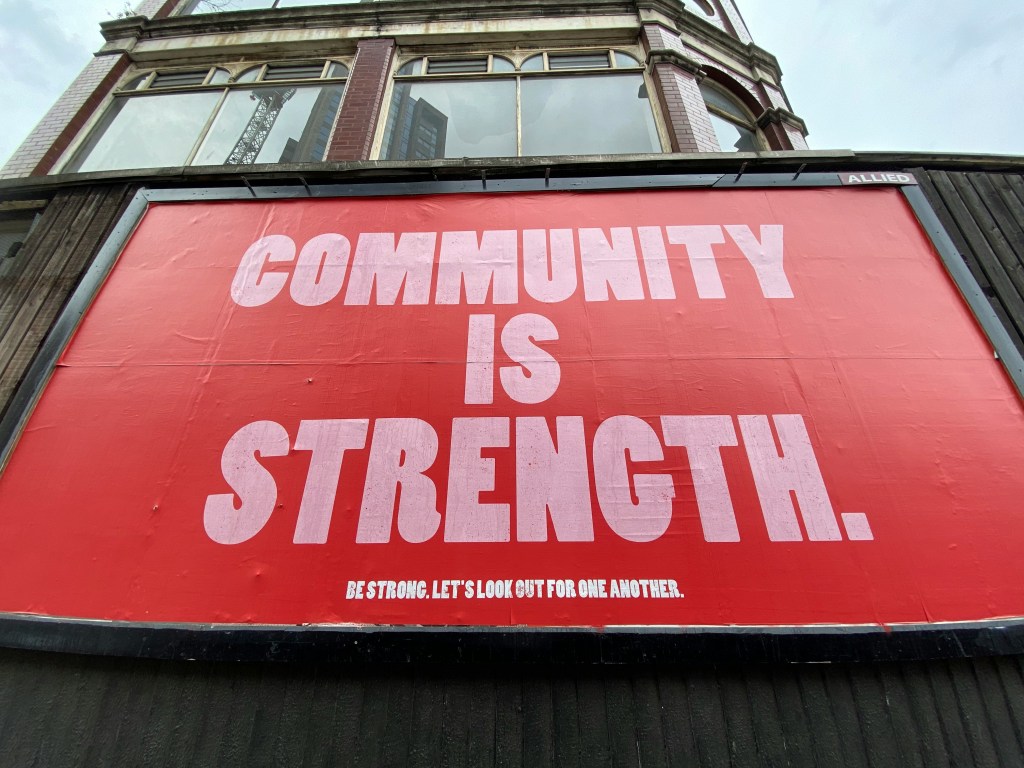
Preventing and Responding to Harassment in Forró
The Forró community in Europe has been shaken by a scandal involving Telegram groups of over 150 men accused of abusing women, prompting legal action in Brazil. Community responses emphasized the need for a robust code of conduct, safety measures, training, and clear reporting processes to foster a safer environment for all members.
-

The Hug as a Reflection of Respect and Connection
The article discusses the complexities of hugging, emphasizing key elements like respect, consent, and body language. It outlines steps for a proper hug and introduces the “Hitch rule” for mutual comfort. Additionally, it highlights how practice through forró dancing enhances one’s hugging skills, creating a more empathetic and skilled hugger.
-

Why Hygiene is More Than a Habit in Forró Dancing
Based on various studies, Brazilians are among the cleanest people in the world—they typically take at least two showers per day! One of the best compliments you can receive from a Brazilian is: “Nossa, que cheirosa/o!” which means, “Wow, you smell sooo good.” Why is hygiene so important to Brazilians? The origins of Brazilian cleanliness…
 Forró Events