
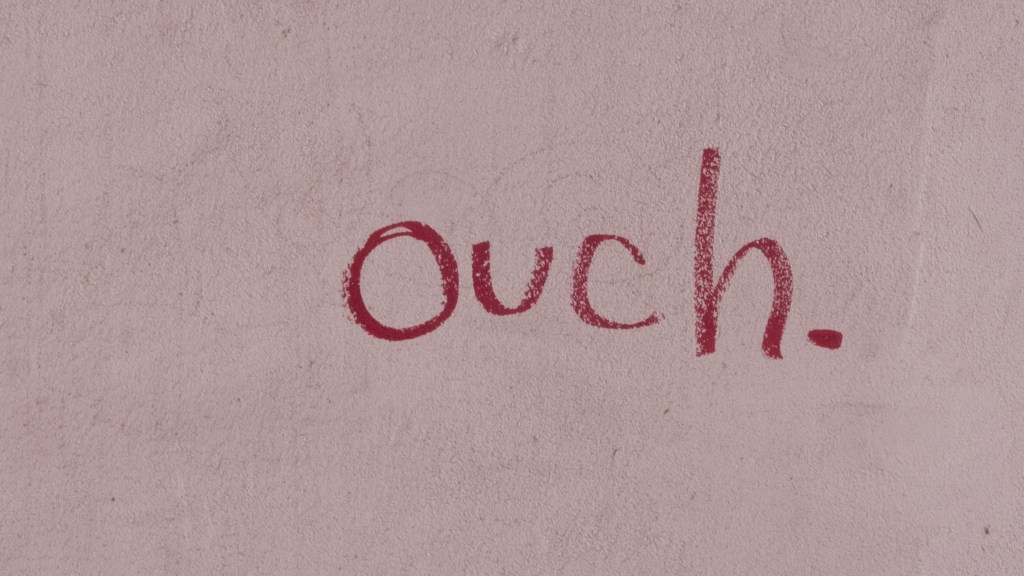
Consent is a crucial part of partner dancing. Forró is a dance that involves a close embrace, so clear consent to touch your partner must be given if the goal is to have a good experience for everyone involved.
But how do you handle a “no” when you ask someone to dance? How do you avoid taking it too personally or deal with the feeling of rejection?
A “no” can happen for many reasons. The person might be on a break, waiting to dance with someone else, or simply not in the mood to dance and just wants to enjoy the music. They might be talking to someone. These are just a few examples that are not related to the person who asked for the dance, and they’ll probably say yes the next time you ask.
But what if it is about you? What should you do in that case? If you’ve asked a person to dance a few times at different moments over a period of time and still get a “no,” then maybe this person just doesn’t want to dance with you. They have their reasons, and you might never know what they are.
Here are some things can consider to do:
- Check yourself. Do a self-analysis of your behavior at social dances and how you present yourself—your breath, smell, etc.
- Ask your friends. Maybe they have some insight into the situation that you might have overlooked.
- Remember your own preferences. You also have some people you don’t like to dance with, for a reason or maybe just because. That’s okay. Just know that you might be that person for someone else.
- Confront the person? You could politely ask the person for a reason. But ask yourself first if this is worth it. Why is this person’s rejection so important? What about all the other people you dance with?
It’s also important to know how to deal with the feeling of rejection, as it is a part of human social interaction. As we say in Brazil, you are not an alecrim dourado, meaning you’re not that special. Nobody is, and getting a “no” once in a while is part of life. It’s okay.
“No” is a complete sentence, and everyone has the right to say it with no other justification.
What is not okay is not having consent.
The word “consent” is a noun, and according to the Oxford Dictionary, it means: “permission for something to happen or agreement to do something.”
Consent is active and continuous, which means it can be taken away at any time. A person is free to change their mind at any point. To go over the basics of consent, it’s important to remember that silence is not consent, and a person must be in their full capacity to say yes—not intoxicated, unconscious, or coerced.
Each person has a personal limit that must be respected, and a good dance partner should practice ways to identify signs of discomfort.
You can read more about on the full article about consent written Maria Luisa Candellieri.
The Art of Asking, Accepting, and Denying Consent.

