
If you are part of the Forró community in Europe, you must have seen or heard about the recent case involving two Telegram groups that appear to have included more than 150 men. All of them seem to have used Forró to abuse women, both in Brazil and in Europe.
In Brazil, after the combined efforts of 12 women (Frente Fulô) who reported the case to the Bancada Feminista do PSOL, the case finally gained attention and a legal process began. They filed a request for an investigation with the Federal Public Prosecutor’s Office. A wave of commotion reached Europe, where the article was widely shared and translated into English for a broader understanding.
The response in Europe came first in the form of community statements disapproving and rejecting this kind of behavior. Afterward, other actions were taken to open a broader discussion and implement effective measures
Here is a guide with the first steps an association should follow to prevent and deal with harassment.
1. Prevention: Building a Culture of Respect
Developing a comprehensive community agreement and code of conduct is the most foundational step. This should be a clear, written document that defines what constitutes harassment (verbal, physical, online, and non-verbal). It should also include a zero-tolerance policy and provide examples of unacceptable behavior, such as inappropriate comments, unwelcome touching, and persistent requests for dates. The code of conduct should be accessible, visible, and actively promoted.
The code of conduct should be accessible and visible and actively promoted.
- Post it on your website and social media channels.
- Display it prominently at all events, classes, and gatherings (e.g., on posters or banners).
- Include a link to it in all event tickets, registration forms, and communications.
Post it on your website and social media channels, and make it prominently at all events, classes, and gatherings (e.g., on posters or banners). Include a link to it in all event tickets, registration forms, and communications.
Create a designated safety team or designate specific individuals (e.g., “Safe Space Ambassadors”) who are trained to receive and handle harassment reports. They should be easily identifiable at events (e.g., with a special lanyard or badge). Their contact information (phone number, email) should be included in all public communications.
Provide regular training and education for board members, organizers, and volunteers on how to recognize harassment, how to respond to a report, and how to conduct a fair and impartial investigation. Offer workshops or information sessions on consent, boundary-setting, and bystander intervention for the community. This educates the entire community on their role in creating a safe space.
2. Response: Dealing with an Incident
Establish a clear and accessible reporting process by making it simple for people to report an incident. Provide multiple channels for reporting, such as in-person to a designated person, via a confidential email address, or through an anonymous online form. Also, be sure to assure the complainant that their report will be taken seriously and that they will not face retaliation.
Take all complaints seriously. Treat every report with gravity and empathy, regardless of who is involved or how minor it may seem. The goal is to make the person feel heard and supported.
Conduct prompt and confidential investigations, starting as soon as possible, maintaining confidentiality as much as possible, only disclosing information on a need-to-know basis. Speak to the complainant, the person accused, and any witnesses separately and with impartiality.
Offer immediate support to the person who experienced the harassment. This could include providing a safe space, a listening ear, or helping them leave the event if they feel unsafe. Respect their wishes regarding next steps. They may want the situation handled informally or formally, and their choice should be a key factor in the process.
Have a clear and pre-defined set of consequences for violations of the Code of Conduct. These can range from a warning and required re-education to a temporary suspension or a permanent ban from events.
Ensure that consequences are applied consistently to everyone, regardless of their status or popularity within the community.
Communicate the outcome to the person who made the complaint about the actions taken, to the extent that you can while protecting the privacy of the other parties. This demonstrates that their report led to a meaningful response and reinforces trust in the system.
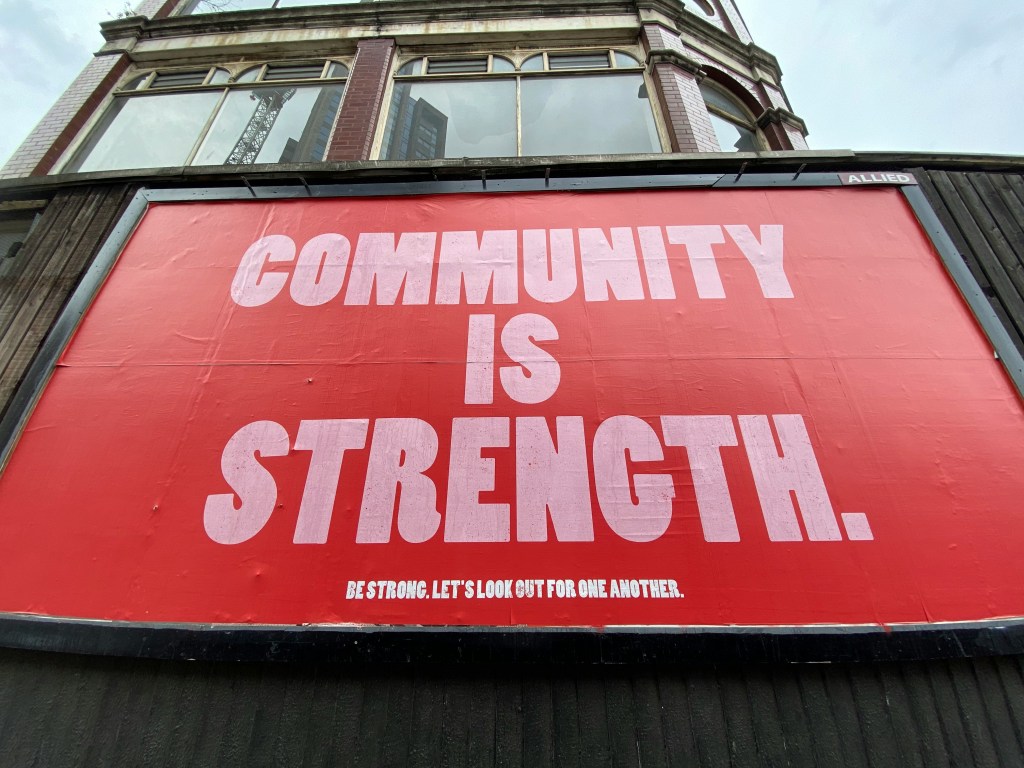
A forró community is built on proactive prevention and a clear, compassionate response to incidents.
The responsibility for creating a safe and healthy community is in everyone’s hands. From organizers to teachers and beginners, Forró is a space to celebrate dance and culture. To preserve it, all should take responsibility for taking care of others by always being vigilant and working to uplift all members.
Sources and References:
Mulheres denunciam homens que conheceram em casas de forró por vazarem e venderem imagens íntimas no Telegram; PF investigará
Bancada Feminista Psol – Frente Fulô
Promising Practices for Preventing Harassment
Co-creating community agreements in meetings
Community Agreements
Developing Community Agreements
CDSS Community Culture & Safety Toolkit
Code of Conduct

