
Hello and welcome to this series of articles about topics that have to do with Forró but many believe are never enough spoken about. The first topic we are going to approach is to take care.
If you look up on the internet the definition of “to take care” it will say that it means to be cautious and keep oneself safe. Well, I think this definition is not enough to understand what it means so I would like to propose something a little different… First of all, in modern occidental societies, we are all educated that the person who usually takes care of everything in the family and in the house is a woman, isn’t it? She takes care of children, food, chores, organization, doctors’ appointments, and so on. Hopefully, this is changing nowadays, but I would like to start with HER. Think about this person, I hope we all have one in mind. She could be a granny, a mum, an auntie, a family friend. To describe this person I think there is one word that everyone will think of in Portuguese we say ACOLHIMENTO* (I’d rather not translate this word, but you will find the mix of words that can describe it better at the end of this article, because actually, it’s like saudade: the word it’s not translatable).
I believe and hope we can all feel the warmth of someone who took care of us, that respected who we were and are, our choices and our spaces, someone who protected us when we were not at our best, someone who sheltered us when we didn’t even know we needed to be sheltered, someone who embraced us and made us feel like we were home. Can you feel it? It’s good, right? Focus on that feeling and feel it for as long as you can, then get back to reading…
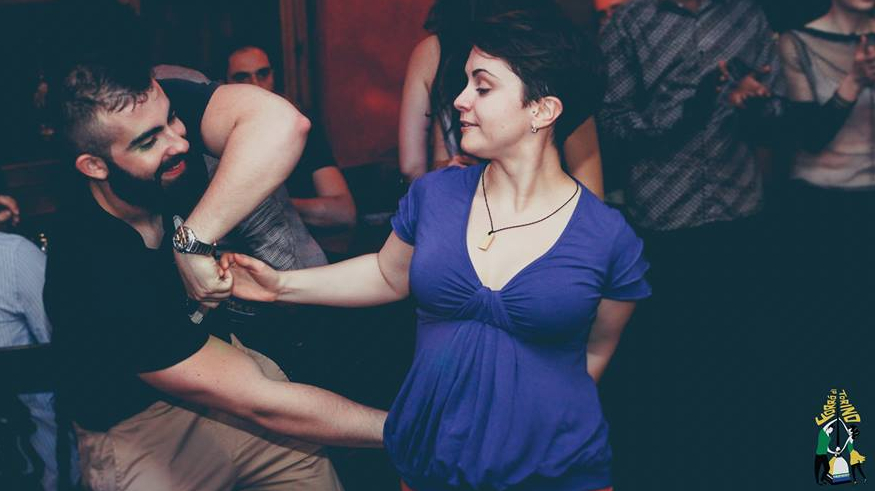
Now you’ll be wondering “What does this have to do with Forró?”. When we are being intimate with someone I’m sure we all (but everyone in their own way) would like to feel that warmth, that acolhimento and forró is a moment of intimacy with someone else, isn’t it? When we are dancing we are sharing bodies, emotions, a moment with the person we are dancing with isn’t it better when the other person matches our energy, respects, accepts, and takes care of us during the dance? You can try to change my mind, but after all these years in forró dancing both as a follower and leader and talking to any kind of people I can say out loud that we all want to be taken care of.
If we see forró as a relationship both when dancing and not (think about everything that happens during a festival or a forró night when you are not dancing), to take care of it, of us, of the others, and of the space we are in is our duty. Actually, it can be seen as a basic human right, since the World Health Organization (WHO) declared that emotional and relational well-being are human rights!
So please: do take care of yourself, of your dance partner, of the people around you, of the space you are occupying both when dancing and not. All forró community will be grateful and you will feel and become a better version of yourself, I can promise that!
Maria Luisa Candellieri, sex educator and forrozeira.
*ACOLHIMENTO: embrace, nurturing environment, a sense of care and support.
 Forró Events